 While I could most certainly go on and on here, sharing memories from my own experiences after Katrina and covering a lot of territory from the whole Camp Gruber experience – many of those experiences and memories are a bit private, and I’m fairly protective of them. Plus, I’ve decided that it’s time to file those memories away in a safe place – drawing on them only for guidance in future guidance should the need arise.
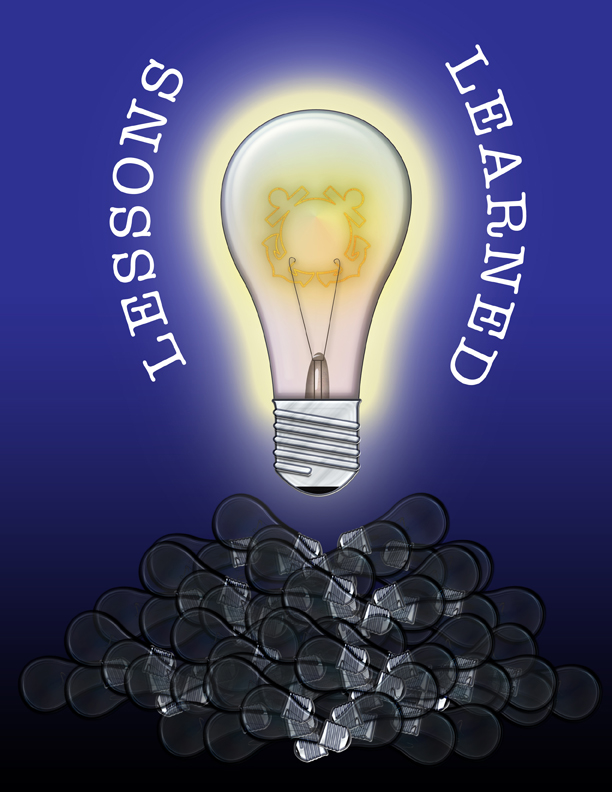
Which brings me to the topic of this post…. Lessons Learned. You see, everyone who is even remotely involved in Emergency Management or Disaster Response on any level understands the value of those Lessons Learned. Why go through all of that time and time again, if you’re not going to take something from each experience, and improve on the system in one way or another? Right? Unfortunately, that is not always the way it works – but those of us who believe will just keep plugging away and pushing for change where needed, stability when change is not necessary and collaboration at all times.
Please understand that the Lessons Learned here are just from my standpoint – things that I have taken to heart and utilized in my Red Cross work, in my presentations to Groups and Individuals discussing personal preparedness, and perhaps to some degree, in my personal life. So here goes….
LL #1 –“My” volunteers/co-workers’ well-being comes first.
Having benefitted from multiple “wellness checks” from my volunteers and co-workers during this event, I was reminded of the need to keep an eye open and ear tuned to those I work with. Too many times we, as responders, get so wrapped up in doing what we do that we forget to take care of ourselves. So our friends and co-workers become our lifelines. I can truthfully say that on every assignment I’ve been on since Camp Gruber I have made the very conscious effort to do all in my power to ensure “my team” is basically ok. I become very protective of those I consider to be a part of “my team”, and work hard to encourage them to all take care of one another while performing their daily tasks while on the job. Physically and emotionally, disaster work can be some of the toughest work out there, and too often we forget to consider the effects on those deployed. Camp Gruber helped solidify that concern as a top consideration in my list of “To Do’s” on assignment.
LL #2 – Be part of the Bigger Team
When working with representatives from other agencies and organizations, it is vital to remember that they have their long list of “Gotta Do’s” as well. The fact that their list may not always be in sync with your list does not mean that theirs is less relevant, just different. You still have to find that common ground to achieve the same results – caring for those affected. This requires a lot of bending and flexing sometimes…something that not everyone is good at. During my time at Camp Gruber, I discovered that demonstrating the commitment to be a part of that Bigger Team could be anything from brainstorming with others to find a solution to a unique problem (i.e. the mother who was afraid to go to sleep because she was so worried about her children) to something as simple as answering my cell phone…every time it rang…with a professional tone (not easy sometimes, to be sure).
LL #3 – Don’t forget to show respect for those around you
Sounds obvious, wouldn’t you think? Not always…tempers run fairly hot during disasters. You have so many people working together from all these different agencies, from various backgrounds (military and law enforcement working side-by-side with humanitarian and/or faith-based organizations – very different views and processes there!) and belief systems. Challenging, to say the very least. I felt fortunate to have developed a fairly good working relationship with the Incident Commanders on the base and many others that were part of the Command Staff, and that was something I took great pride in. Many of these individuals had official titles – Colonel, Lieutenant, Major, etc. – which in my books entitled them to at the very least a “Sir” or “Ma’am” if I was addressing them in conversation (I couldn’t always remember what the various bars/stripes/etc. meant on their uniforms). They had worked hard and devoted a lot of time and energy to their chosen careers, and I had no problem whatsoever affording them that courtesy and respect. And, I have to add, it was returned. Can you believe I had someone tell me they considered it a “sign of weakness” for me to address “those people” as “sir”? Hogwash! (Plus – let’s face it folks – many of those wonderful and hard-working individuals carried guns, and sometimes badges. I wanted them on my side!)
But that’s just the workers’ side of the respect issue! You cannot, I repeat, CANNOT, forget to show respect to those that you are caring for!
People that have been affected by disaster did not ask for their fate. They did not invite the hurricane/earthquake/wildfire/whatever to come and take away everything they owned and loved. They did not ask to be stuck on a bus for 36+ hours with no instructions on where they were going. They have been through more than enough without having to deal with being treated like a number in a bin of BINGO balls. I have no way of comprehending what it must have felt like to get off a bus that you boarded in Louisiana, and end up in the middle of rural Oklahoma on a military base. So, the very least I can do is encourage my workers and those around me to treat them with the dignity to which they are due. (And if some of these folks can address me as “Miss JoAnn”, the very least I can do is acknowledge them as “Ma’am” or “Sir”.)
(To be continued…)


 Ripple Effects
Leave a comment